
THE GOSPEL
In the Bible, the Greek word εὐαγγέλιον is transliterated as: euaggelion (pron. yoo-ang-GHEL-ee-on) and literally means in English “good news.” The revealed word of God, the Bible, completely describes, among other things, the gospel of Jesus Christ (the “Gospel”).
The Bible describes Jesus of Nazareth as the living Word (John 1:1). Therefore, He doesn’t represent the word, but He IS the Word. Jesus is inseparably connected to His divine nature and is therefore divine. Jesus’ life is consistent with every command of God. Jesus the man was the Word, and His life showed it.
However, Jesus is made like humans (Heb. 2:17) and was aware of human suffering (Heb. 2:17, 18, 4:15). He was fully man. This was necessary for Him to be the proper sacrifice on the cross for the sins of the elect.
Christians are taught to read and study the word of God (Josh. 1:8). Holy Scripture tells us all we need to know about the Gospel.
After God regenerates a person through the work of the Holy Spirit, they actually HEAR the words of the Gospel. Before, it was just words on a written page or words spoken by the priest. It was not personal, and they did not understand it at all. But through the working of the Holy Spirit, every regenerate person understands the Bible and knows, for the first time, what sin actually is and what the Gospel is all about.
The Gospel is part of the Plan of Salvation, and it is applied to the individual regenerate person for the first time.
SORROW
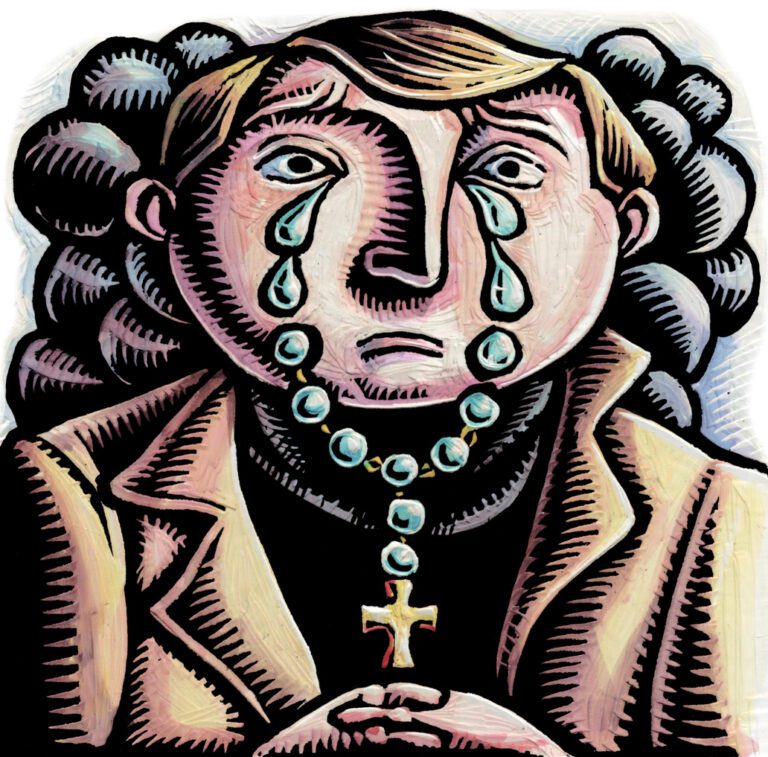
Secular dictionaries define sorrow as regret or grief over losing someone or something you care about. The Bible calls this “worldly sorrow” and bases it on the human Will. It involves a self-centeredness that usually does not change a person’s habits and leads to death.
But the sorrow a person has after receiving the gospel is a “godly sorrow.” This differs greatly from the secular version. This kind of godly sorrow is grief that causes a person to repent of his sins and eventually believe in Jesus Christ (2 Cor. 7:10).
Godly Sorrow occurs in a person who, after receiving the Gospel, under the conviction of the Holy Spirit, knows what sin is and that they have transgressed against God. This leads them to turn away from sin and move in a godly direction. Eventually, the regenerate person believes in Christ, receives salvation, and has eternal life with God.
Peter (Matt. 26:75) and David (Ps. 51:1-4) are two biblical examples of this type of godly sorrow.
Godly sorrow does not just affect a person’s emotions. It is a heartfelt conviction the Holy Spirit gives the regenerate person, causing them to understand that they have gone against God’s commands and are thus guilty. As a result, they have a strong desire to repent of those sins.
